Prashad Indian Vegetarian Cooking: What’s in Kaushy’s spice tin?
Tuesday, 10th September, 2013
We recently started hosting a new weekly networking event on Twitter called#veggiehour to bring together foodies who know that meat free food doesn’t mean taste free food!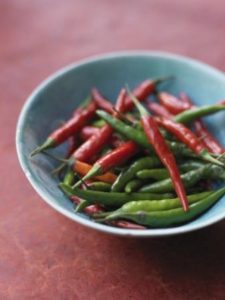
Indian cuisine lends itself well to a vegetarian diet because not only does it offer the opportunity to incorporate lots of different proteins (eg lentils, chickpeas, paneer), it is also very flavoursome. Even die hard carnivores say that our food is so tasty that they don’t miss the meat!
So this week we’ve decided to share an excerpt from our best-selling Prashad Indian Vegetarian Cooking cookbook by our very own Kaushy Patel all about the different spices she uses to flavour her famous Gujarati food. Here’s what you need in your cupboard to be able to cook up a feast Kaushy style!:
Asafetida/asafoetida (hing)
Also known as ‘devil’s dung’, due to its pungent, sulphurous scent. The fine yellow powder (which is actually powdered resin) is generally fried in very small quantities when making spiced oils to be used in dhal and other dishes to add a savoury flavour. Store in an airtight container- vital to contain the smell. Widely believed to counter flatulence, making it the perfect partner for pulses!
Indian bay leaves (tej patta)
Paler than European leaves, with a yellow-khaki colour and a straighter edge, these leaves of the Indian cassia tree are used to add a spicy aroma to chole (page 132 of the cookbook) and rice dishes. Remove from the dish before serving.
Cardamon (elchi or elaichi)
Available as green, white (bleached) or black/brown pods or as a dried ground spice. Kaushy prefers to dry-roast and grind the seeds in a coffee grinder or using a pestle and mortar shortly before cooking for the freshest flavour. Green cardamom is the most widely used in Indian cooking (she uses green cardamom pods and their seeds for all the recipes in the book), and its black seeds are used as a digestive aid and breath freshener. Brown cardamom is used in savoury dishes and in garam masala. Store pods away from light and moisture in a jar or airtight tin.
Carom (ajmo, ajwain or ajowan)
Also known as ‘Bishop’s weeds’. The small, curved grey-green seeds resemble celery seeds or tiny cumin seeds. Usually tempered by cooking with other ingredients, eaten raw the seeds are bitter and hot enough to numb the mouth. Thought to calm flatulence and other gastric complaints, carom is often cooked with root vegetables and pulses to aid digestion!
Chilli (marcha or lal/hari mirch)
There are many different types of chillies (ripe red, unripe green, large, small, fiery, mild) and they come in many different forms (fresh, dried, flaked, pickled, powdered). Kaushy uses fresh green chillies from Kenya to make her masalas, long green chillies for stuffed chilli bhajis, small dried red chillies to add to tarka spiced oils, coarse resam/resham patti (Kashmiri red chilli powder) from northern India for her pickles to give them a sweeter, less fiery warmth, and medium red chilli poweder pretty much everywhere else that a chilli kick is called for.
Cinnamon (taaj or dalchini)
This spice is made from the bark of the cinnamon tree. It is widely used in main dishes, rice dishes, puddings and sweets, and is believed to help control blood sugar levels. The warm, sweet flavour of cinnamon starts to fade from the sticks after a month or two, so buy it in relatively small amounts to keep the flavour fresh and bright.
Cloves (lerving or laung)
This small, dark-brown, woody spice is made from dried unopened clove flowerbuds. Often used whole to flavour dishes during cooking and removed before serving, it is also available in powdered form. The oil has anaesthetic qualities, hence its traditional use a toothache remedy.
Coriander (dhania or dhanna)
Can be used as a green-leaved herb, in seed form or as a dried ground spice (you get a better flavour if you dry-roast and grind the seeds yourself in a coffee grinder or using a pestle and mortar when needed). When buying seeds, look for light green oval ones. Fresh coriander leaves are sprinkled on many dishes shortly before resting or serving, while the spic tends to feature in main dishes, rice dishes and pickles.
Cumin (jeeru, jeera or zeera)
Can be bought as whole seeds or ground spice (for the best flavour, Kaushy prefers to dry-roast and grind the seeds shortly before using). The most common cumin seeds are pale green or brown, with a warm, slightly bitter taste; however you can also find smaller, sweeter black cumin seeds (kala jeera). Both types are purported to cure digestive complaints. Ground cumin is often mixed with ground coriander seeds to make dhania-jeera.
Curry leaves (limri, kari or khadi patta)
Used fresh or dried , these ‘sweet neem’ leaves add a pungent aroma and a hint of sweetness to savoury dishes, including delicious southern Indian kopru (page 214 of the cookbook). They’re generally added to spiced oil (tarka) rather than cooked directly with other ingredients. Do take care when adding fresh leaves to hot oil, as the moisture in them makes them sizzle and spit. It is a matter of personal choice whether you eat the cooked leaves or not.
Fenugreek (methi)
Available as a green-leaved herb (fresh or dried), seeds or crushed spice (bardholbardo). For the best results, roast and crush the seeds yourself when needed. The slightly bitter, aromatic leaves are a central component in many Indian dishes and go beautifully in relishes, flatbreads and in my methi ni bhaji na bhaja fritters (page 34 of the cookbook). The seeds, which are thought to improve digestion, have a strong curry-like flavour and can be added to spiced oils or directly with other ingredients.
Garam masala
Literally ‘hot mixture’, this spice blend is used in many dishes and most Indian households will have their own recipe. Kaushy’s secret mixture contains eighteen spices, which are slow-baked for three days before being stone-milled. Garam masala generally includes roasted ground cinnamon, cardamom, cloves, black cumin, nutmeg and peppercorns, but if you don’t fancy making your own, it can also be bought ready-made.
Garlic (lasan or lahsun)
In recent years, garclic has been hailed as a wonder-food, with antifungal and antiviral properties and beneficial effects on everything from blood pressure to acne. It plays a vital role in Indian cuisine, except during periods of fasting, when our dishes need to be onion and garlic free. Kaushy soaks garlic cloves in warm water for 5 minutes before she needs them, as it makes them easier to peel.
Ginger (adhu or adrak)
Another staple of Indian cooking, ginger is available as a fresh root or dried spice, and lends its heat and warmth to savoury dishes and sweet treats alike. Ginger infusions have long been used to treat sore throats and nausea, and a cup or two of sweet adhu vari chai (page 228 of the cookbook) always cheers Kaushy up. Look for firm roots with no wrinkles or spots, and store any unused ones in the fridge for up to a couple of weeks.
Mustard seeds (rai)
There are three main varieties: black, brown and yellow/white, available as whole or split seeds, paste or powdered spice. Kaushy uses the small brown mustard seeds to bring heat and flavour to spiced oils, and the split yellow seeds (rai bhardo/bardo or rai na kuria) in pickles, as they are a wonderful preservative. When added to hot oil, brown mustard seeds start to pop as they cook, making it easy to tell that they are working their magic.
Pepper (mari or kali mirch)
You can buy sharp white, mild green, hot black or fruity pink peppercorns (although the pink ones aren’t actually from the pepper plant at all), and pepper is also widely available as a dried ground spice. Kaushy uses freshly ground black peppercorns in my cooking, as she finds that they work best with other spices – if possible, take the time to grind them freshly for the best aroma and flavour.
Rock salt or black salt (kala namak or saindhav)
Mined from quarries rather than harvested from the sea, rock salt has a colour (pink or grey), flavour and aroma all its own. It is somehow less salty than sea salt and is permissible for use in fasting dishes like ferar bataka (page 115 of the cookbook). You can buy it in powdered form or in crystals to crush at home.
Tarmarind (imli or amli)
The name comes from the Arabic ‘tamar hindi’, meaning Indian date, which it slightly resembles in taste. I find that pressed block tarmarind, consisting of ripe tarmarind pod pulp (with the shell and most of the seeds removed), provides a better flavour than concentrated paste. It is used to make tarmarind water, which adds a sweet-sour note to dishes (just soak the pulp in warm water for 5 minutes, then sieve). Tarmarind is also an ingredient in Worcestershire and HP sauce.
Turmeric (hardar or haldi)
Often used in Indian weddings and religious ceremonies for cleansing and to bring success. Available as a dried powdered yellow spice with a peppery, earthy flavour and mustardy smell, or a fresh root with golden-orange flesh. Known in medieval Europe as ‘Indian saffron’ and used to dye fabric, it will stain your hands and clothes yellow if you’re not careful. Unpeeled fresh turmeric keeps for up to 3 weeks in the fridge. Avoid cooking it with green vegetables, as it turns them grey.
White turmeric (amba haldi or amb halad)
Also known as zedoary or ‘mango ginger’, this closely resembles root ginger. It is less common than turmeric, has a less subtle flavour (like bitter ginger) and can be difficult to find outside India and Indonesia. Its adds flavour and colour to dishes but beware the staining effect of the orange juice on the hands and clothes too.
We hope you find Kaushy’s tips useful in your own vegetarian cooking – let us know if you’ve got any questions or tips of your own?